
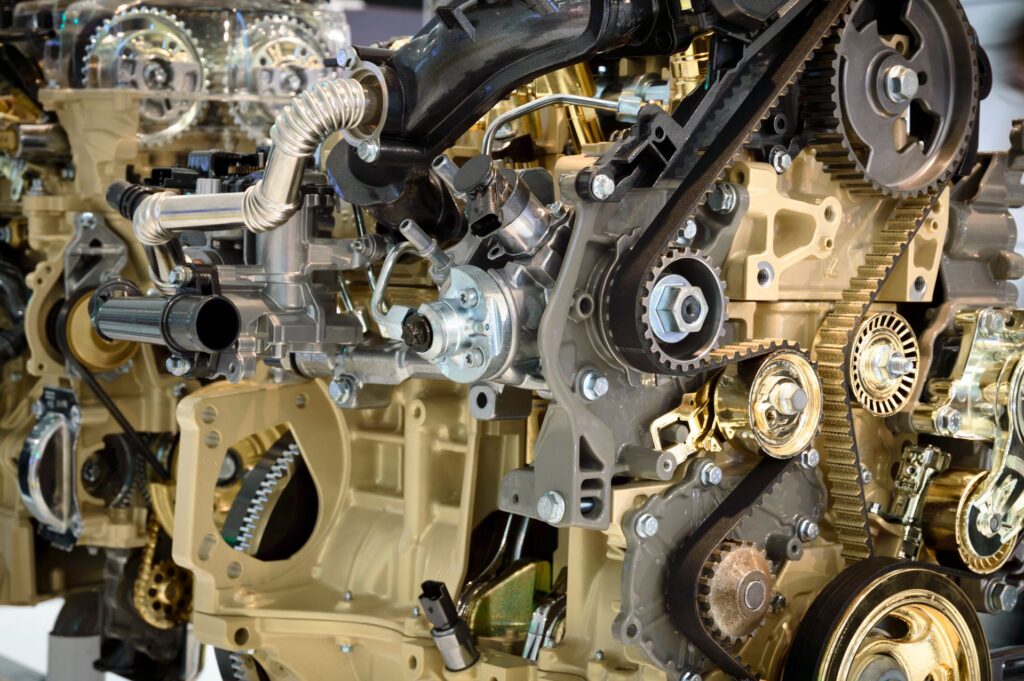
The sharp, high-pitched noise you hear at startup or when you hit the gas is almost always caused by the serpentine belt. When the belt slips against one or more pulleys, the resulting friction between the rubber and metal produces an awful noise.
In some cases, this is caused by something as simple as moisture on a cold morning. Other times, it’s caused by a weakened tensioner, or the belt itself is due for replacement. Whatever the case may be, one thing is certain: belt noise is a symptom, not a diagnosis. The fix ultimately depends on what caused your belt to lose grip.
At Berryman Products, we provide solutions for belt squeal that restore surface grip and keep drive components clean.
Why Is My Car Belt Squeaking?
The noise usually traces to one of five issues: physical wear, tension loss, alignment problems, contamination, or weather. The same issues apply whether you are dealing with a serpentine belt or a fan belt on an older vehicle:
Worn or Aging Belt
EPDM rubber degrades through repeated heat cycling and mechanical stress. By the time a belt reaches 60,000 to 100,000 miles, it can develop smooth ribs, cracks, and reduced flexibility. At that point, the belt can no longer grip the pulley properly and begins to slip.
Weak or Failing Tensioner
The internal torsion spring weakens with age as the pivot bushing wears. Reduced tension allows the belt to slip under load, especially during cold starts or when the AC compressor engages.
Pulley Misalignment
Every pulley must sit in the same rotational plane. A bent bracket, a worn motor mount, or an incorrectly installed accessory can push a pulley out of alignment, forcing the belt to track at an angle.
Fluid Contamination
Oil and fluid leaks can reach the belt, cutting friction and producing a slipping noise that worsens over time. Prolonged exposure degrades the rubber compound itself.
Cold Weather and Moisture
Low temperatures stiffen rubber and reduce grip. A marginally worn belt may stay quiet in warm conditions but produce noise on a cold morning, then fade once engine heat restores flexibility.
Glazed Belt Surface
Repeated slipping generates heat that hardens the rubber and gives the ribbed surface a shiny appearance. A glazed belt cannot grip the pulleys and must be replaced.
Worn Pulley Bearings
Sealed bearings inside idler and tensioner pulleys wear over time. A bearing that wobbles, drags, or seizes will disrupt smooth rotation and force the belt to slip.
How to Diagnose Belt Squeal When Driving
Once you know what to look for, these four checks will narrow down the source of a serpentine belt squeal:
- Perform a Visual Inspection: With the engine off, check the belt for cracks, fraying, shiny spots, or missing rib material. Examine pulleys for debris buildup or wobble.
- Do a Water Test: Spray water on the ribbed side while the engine idles. If the squeal gets louder, the belt is slipping due to insufficient tension. If it pauses briefly, the belt may be glazed or contaminated.
- Check the Tensioner: Watch the tensioner arm at idle. Rapid bouncing or excessive travel signals a worn spring or bushing.
- Perform a Pulley Spin Test: With the belt removed, spin each pulley by hand. Roughness or resistance points to a failing bearing.
Once you have identified the source of the slip or drag, you can use the repair process that aligns with the diagnosis.
Why Does My Fan Belt Squeal? How to Fix Car Belt Noise
Apply Belt Dressing for Immediate Relief
The Berryman® Tite-Grip® Belt Dressing restores traction by increasing friction at the belt-to-pulley contact surface. That added grip eliminates slippage and quiets the noise. It also extends belt life by allowing the belt to run at lower tension without losing contact. Spray it on the ribbed side of the belt while the engine idles.
Tite-Grip is compatible with flat, round, and V-belts. The formula is waterproof and VOC-compliant in all 50 states.
Clean Contaminated Pulleys and Throttle Components
If you find fluid contamination, clean the pulleys with a solvent-based degreaser after repairing the leak. Check each pulley’s belt contact surface for any residual material.
For deposits on nearby throttle body and intake components, we recommend Berryman® B-12 Chemtool® Carburetor, Choke, and Throttle Body Cleaner. It dissolves gum and varnish that cause rough idle and stalling. A clean throttle body also steadies engine RPM, which reduces load swings caused by intermittent belt slip.
Replace the Belt
If your belt shows cracks, glazing, or rib wear, replace it. Parts run $25 to $75, and labor takes about one hour, totaling $100 to $200 at most shops.
Replace the Tensioner
If you have a weak or binding tensioner, you will need to replace the entire assembly. It’s also best to replace the belt at the same time, since it has been running under incorrect tension.
Replace Worn Pulleys
If your spin test reveals a rough or dragging bearing, the pulley needs to come out. Idler pulleys cost $20 to $40 each, with labor running $125 to $250 per pulley, depending on access.
Fix Fluid Leaks
Fix the leak before treating belt noise. A new belt or fresh belt dressing will fail if fluid continues to reach the belt surface.
Keep the Entire Belt System Maintained
Do not ignore a belt squeal when driving. A serpentine belt that snaps takes out the alternator, water pump, and power steering at once.
If you are already addressing a belt issue, take the time to inspect adjacent components. Our full line of lubricants and greases covers the other systems under the hood, from power steering fluid to penetrating oils for seized hardware.
Find Berryman® Products at a Retailer Near You
Berryman® Tite-Grip® Belt Dressing, B-12 Chemtool®, and the rest of our product line are stocked at retailers across the United States, including Amazon, O’Reilly Auto Parts, Home Depot, Lowe’s, and Ace Hardware.
If you’re restocking your shop or fleet, we offer 15- and 55-gallon drums through our distributor network. Contact our team today to help you select the right product for your vehicle.