 You check your dipstick, and somehow the oil level is low again. There’s no puddle under the car. No warning smoke from the exhaust. Yet your engine keeps consuming oil between changes. Your car is losing oil, but the no-leak situation can raise questions for any car owner.
When drivers ask, “Why does my car keep running out of oil?” The answer is often hidden inside the engine itself. Oil can disappear without obvious signs, and ignoring the fact can lead to serious engine wear.
How Engine Oil Is Supposed to Work
Engine oil lubricates the moving parts of your car’s engine, thus reducing friction on your car’s internal components, preventing premature wear. Oil also cleans by suspending dirt, debris, and combustion byproducts so they can be captured by the oil filter.
In a properly functioning engine, oil circulates through a sealed system. A small amount of consumption is normal for any car, especially if your vehicle has a high-performance engine. However, even if you use your vehicle frequently, the oil levels should remain stable between service intervals.
Losing Oil but No Leak: Hidden Causes of Oil Loss
If your oil level drops noticeably and there’s no puddle under the car, that’s not something to brush off as normal wear. It usually means the oil is being consumed inside the engine or pulled into a system where you can’t easily see it.
When engine oil disappears without drips on the driveway or thick smoke from the tailpipe, the problem is often happening within the combustion chamber or ventilation system. Identifying the potential causes early can prevent internal oil loss, which can speed up engine wear and lead to expensive long-term damage.
Carbon Buildup in the Intake Valves and Combustion Chamber
Carbon deposits inside the engine are caused by incomplete combustion, leaving behind deposits on intake valves, piston crowns, and within the combustion chamber. Over time, these hardened carbon deposits can prevent valves from sealing completely.
In many cases, the first and smartest step is to perform targeted cleaning. A solution like Berryman® 4-Step Professional Air & Fuel System Maintenance Kit includes formulas to break down those stubborn deposits.
When sealing improves, less oil slips into the combustion chamber and burns off. That can mean more stable oil levels, smoother performance, and fewer worries every time you check the dipstick. You can also use Berryman® Oil Change Flush to get rid of harmful sludge and other deposits.
Stuck or Worn Piston Rings
Piston rings seal combustion pressure and control the thin film of oil along cylinder walls. When rings become worn or carbon-stuck, they may allow excess oil to slip past into the combustion chamber.
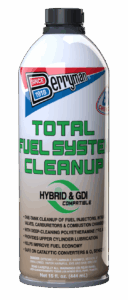
Carbon deposits are frequently the underlying cause, particularly in higher-mileage engines. Cleaning the fuel and combustion system with a high-performance solvent such as Berryman® B-12 Chemtool® may help break down deposits that contribute to ring sticking and restore more efficient operation.
PCV System Malfunctions
The Positive Crankcase Ventilation (PCV) system regulates internal engine pressure and redirects blow-by gases back into the intake system. When the PCV valve becomes clogged or stuck, it can create abnormal vacuum conditions that pull oil vapor into the intake manifold. This oil is then burned during combustion, reducing oil levels without leaving an external trace.
Valve Stem Seal Wear
The valve stem seals prevent oil from entering the combustion chamber as valves open and close. Over time, these seals can harden or deteriorate due to heat exposure. When this occurs, small amounts of oil may seep into the chamber and burn gradually.
Why You May Not See Smoke
Modern engines and emissions systems are far more efficient than older vehicles. Catalytic converters are designed to reduce visible exhaust emissions, and they can mask small amounts of burning oil.
That is why you may notice no oil leak, but you’re still losing oil at the same time. The oil can be burning in small quantities during normal operation, leaving little to no visible evidence. The only clear sign may be a steadily dropping oil level between changes.
Signs Your Engine Is Burning Oil Internally
If oil is being consumed inside the engine, the warning signs are often subtle:
- Frequent need to top off oil
- Oil warning light between service intervals
- Rough idle or reduced engine smoothness
- Decreased fuel efficiency
- Foul or oil-coated spark plugs
- Faint burning oil smell after driving
If you’ve wondered, “Why does my car go through oil so fast?” and notice one or more of these symptoms, internal oil consumption may be the cause.
What To Do If Your Car Keeps Running Out of Oil
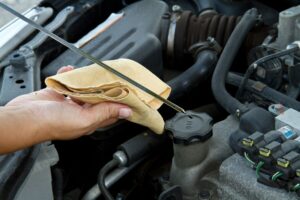
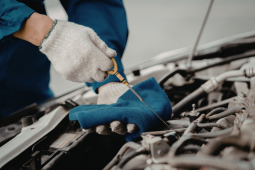
- Check The Level Correctly: Park on level ground, wait a few minutes after shutdown, then recheck the dipstick.
- Top Off Safely: Add the correct oil grade in small amounts – avoid overfilling.
- Rule Out External Leaks: Inspect the drain plug, oil filter area, valve cover, and underside for fresh oil.
- Check the PCV Valve: A stuck PCV can pull oil into the intake and cause it to burn internally.
- Address Carbon Buildup Early: Cleaning intake valves and the combustion chamber can reduce oil consumption before wear becomes permanent.
How Berryman Products Help Restore Performance
When internal deposits are contributing to oil consumption, cleaning the right areas can make a measurable difference. Berryman® Intake Valve & Combustion Chamber Cleaner is a proven solution to target stubborn carbon buildup.
For broader system cleaning, we recommend Berryman® B-12 Chemtool®, which can help break down fuel and combustion deposits. Use Berryman® Throttle Body Cleaner to improve airflow and throttle response.
These products support smoother operation and more consistent oil levels. Visit a local retailer to find the right solution for your vehicle.
Don’t Let Unexplained Oil Loss Lead to Engine Damage
Small internal issues can build up over time and slowly wear down your engine without an obvious warning. Catching the problem early and cleaning away deposits using trusted solutions like Berryman products can help keep your engine running strong for the long haul. Visit our product pages or speak to our specialists to learn more and request a catalog.