
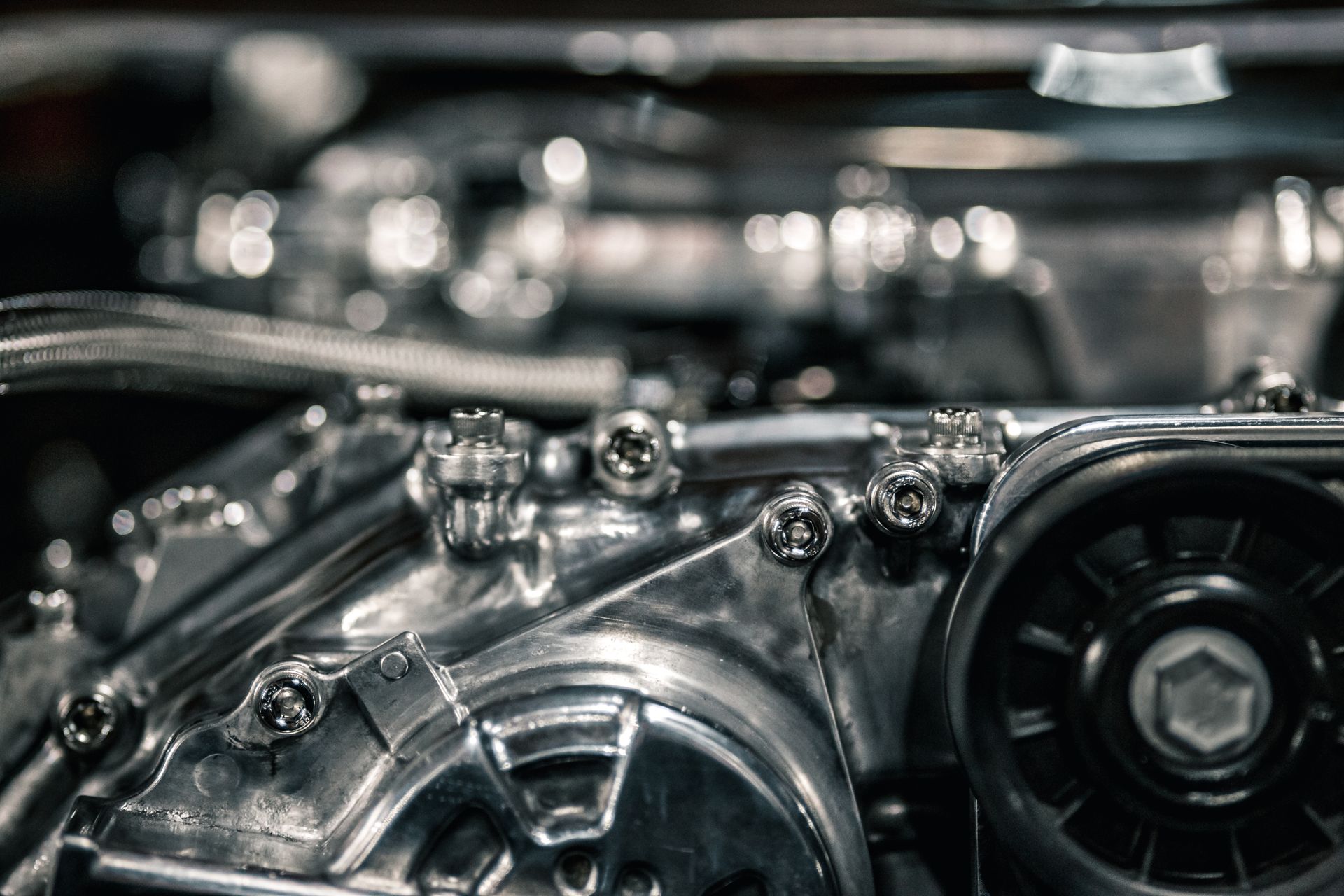
You pull up to a stoplight or park your vehicle, and instantly you feel the vibration through your seat and steering wheel. A rough idle is a frustratingly common issue that can affect any vehicle, regardless of make, model, or mileage. While a shaky idle can stem from a variety of ignition, air, or sensor issues, dirty or clogged fuel delivery components are often the primary culprit.
Here is a look at some of the most common causes of a rough engine idle and what you can do to prevent this from happening to your vehicle.
What Causes a Rough Engine Idle?
Internal combustion engines run smoothly when air, fuel, and spark arrive at the right time and in precise proportions. When one of those three components is off, whether it’s too much air, too little fuel, or a weak spark, the resulting imbalance shows up immediately at idle.
To track down the source, it helps to work through the most common culprits one by one, starting with the ignition system.
Issues With the Ignition
Worn or fouled spark plugs, failing ignition coils, and damaged plug wires can cause intermittent misfires. Misfires are often especially noticeable at idle because the engine is running at low speed.
Vacuum Leaks And Airflow Problems
Cracked hoses, leaking intake-manifold gaskets, faulty PCV components, dirty throttle bodies, or malfunctioning idle-air-control systems can disrupt the air entering the engine. A vacuum leak introduces unmetered air and may create a lean mixture.
Fuel Delivery Issues
Dirty injectors, low fuel pressure, a restricted fuel filter, or a weak fuel pump can prevent the engine from receiving the correct amount of fuel. The result may be stumbling, hesitation, or an uneven idle.
Faulty Sensors and Emissions Components
A contaminated MAF sensor or a failing engine-management sensor can provide inaccurate information to the engine computer. An EGR valve stuck open can also disrupt combustion at idle.
How Fuel System Deposits Cause Engine Instability
If your car is idling rough, it’s possible that fuel system contamination is to blame. Because fuel deposits accumulate gradually over thousands of miles, drivers rarely notice the loss of performance until the engine starts shaking and making unusual noises at a red light.
Clogged Injector Nozzles and Distorted Spray Patterns
Fuel injectors rely on micro-machined openings to atomize fuel into a fine, misted cloud. When residual heat bakes leftover fuel onto the injector tips, the openings become restricted. The fine mist turns into heavy liquid droplets that do not mix cleanly with air, causing incomplete combustion at low speeds.
The Intake Valve “Sponge” Effect
In port fuel injection engines, fuel sprays onto the back of the intake valves. Heavy carbon accumulation on these valve heads absorbs liquid fuel like a sponge during low-RPM operation.
This starves the combustion chamber of fuel, creating a temporary lean misfire until the carbon becomes fully saturated. Direct-injection engines suffer even worse valve congestion because fuel never sprays over the intake valves to wash away crankcase oil mist.
Crankcase Sludge, Ring Deposits, and Lost Compression
Combustion blow-by sends oil mist into the crankcase, forming heavy sludge over time. This sludge bakes into the piston ring lands, locking the compression rings in place and reducing sealing capability. The resulting drop in cylinder compression shows up most aggressively when the engine is idling.
How to Prevent a Rough Idle: Essential Maintenance Tips
Preventing a rough idle is far less expensive than replacing damaged catalytic converters or burnt valves. Simple preventative care keeps your engine running smoothly and protects your wallet.
- Replace Spark Plugs on Schedule: Copper, platinum, and iridium plugs each have different service lives. To be safe, follow the replacement interval listed in your owner’s manual.
- Keep Air Filters Clean: A clean air filter stops dirt from contaminating the intake tract and damaging delicate airflow sensors.
- Clean the Throttle Body and MAF Sensor: Remove carbon buildup from the throttle bore using a dedicated throttle body cleaner. Spray MAF sensor elements with a sensor-safe cleaner, and never touch the delicate sensor wires directly.
- Clear Out Fuel System Buildup: Dissolve stubborn carbon, gum, and varnish deposits by running a high-grade fuel system treatment through your gas tank.
For vehicles with over 75,000 miles, use the Berryman® B-60 High Mileage Fuel & Oil System Rejuvenators.
This dual-action kit includes:
- Berryman® B-60 High Mileage Fuel System Rejuvenator: Cleans injectors and intake valves
- Berryman® B-60 High Mileage Oil System Rejuvenator: Frees stuck piston rings, clears crankcase sludge, and restores cylinder compression.
- Run High-Detergent Fuel and Fresh Oil: Top-tier gasoline contains detergent additives that limit new varnish buildup. Pair quality fuel with regular oil changes to reduce crankcase vapors and prevent sludge formation.
- Check Vacuum Lines and Motor Mounts: Perform a fast visual inspection under the hood during every oil change. Look for dry-rotted vacuum hoses, leaking fluid, or cracked rubber engine mounts.
Stop Engine Vibration Before It Starts
If your car is idling rough, consider it an early warning sign that your engine is struggling with air, spark, or fuel delivery. Addressing small air leaks or fuel contamination today prevents costly repairs tomorrow.
Keep your engine running smoothly with proven formulas from Berryman Products. Use the store locator on the Berryman Products website to find an authorized distributor or auto parts retailer near you.